


Home > “Picture Palace” > The World > Vaudeville
Vaudeville was America’s first form of popular culture. It gave a lot of actors and musicians their start, and it turned entertainment into a big business. In many ways, it set the tone for all the movies, T.V. shows, and other forms of entertainment that followed.
Vaudeville’s heyday was from about 1880 to 1930. Variety shows had existed before that, but they hadn’t been taken seriously. Their performers had often been seen as sketchy con men, like the King and the Duke in Adventures of Huckleberry Finn. But as more Americans moved into cities– and as millions of immigrants arrived from other countries– they started flocking toward cheap but lighthearted entertainment. Theaters sprang up to fill the demand, and over time, they got to be more and more professional.
No one knows who coined the term “vaudeville” or why. Some said it came from the French voix de ville or vaux de ville. Others said it was just a nonsense word. Still, it caught on regardless.
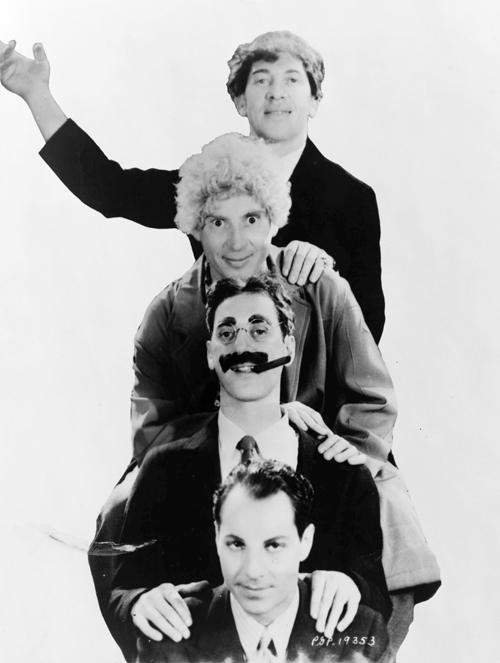
Photo credit: N.Y. World-Telegram/Sun Newspaper Photo Collection
A typical show would feature about a dozen different acts, ranging from magic shows to comedy sketches to songs-and-dances and so on. The quality varied; a few acts, like the Cherry Sisters, were famously awful. Others, like Helen Keller, weren’t traditional performers but sold tickets regardless. Some made enduring names for themselves, like Buster Keaton, Mae West, the Marx Brothers, Abbott and Costello, George Burns, Gracie Allen, and many others.
Movies started appearing as part of the show in the early 1900’s. These early films were silent, and were just a few minutes long, so they were treated just like any other act. Over time, though, films became longer and more sophisticated, and they started to overshadow the stage.
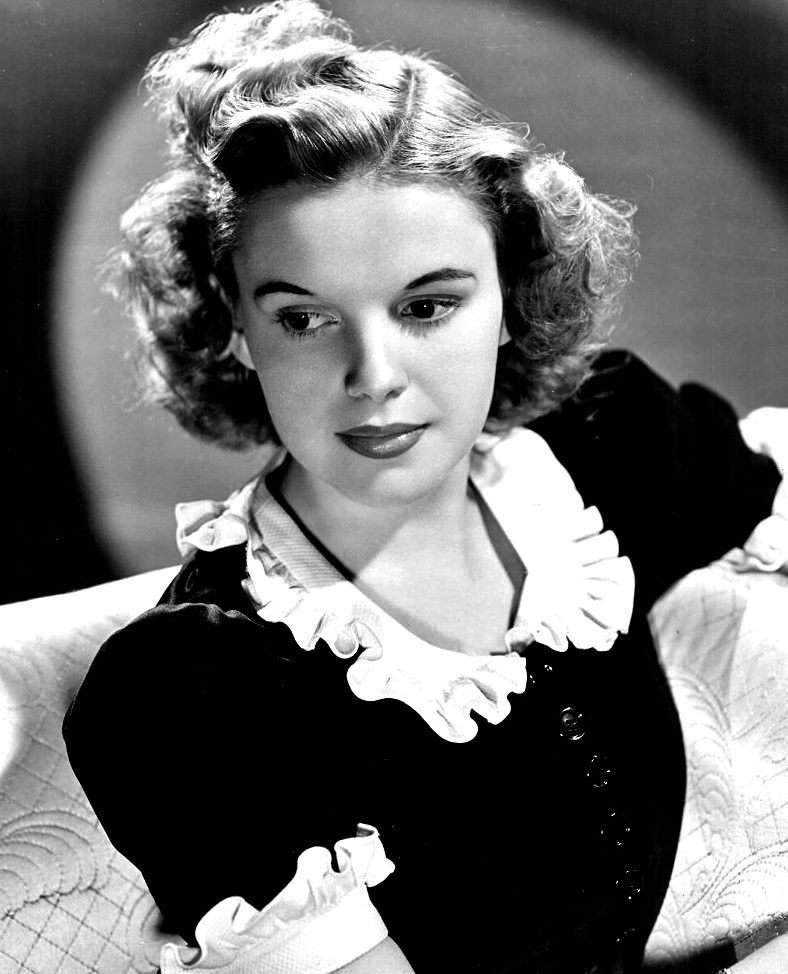
Photo credit: M.G.M. publicity photo
All the same, the legacy of vaudeville is still alive today. Its huge fan base, and its stars, became a model for Hollywood’s celebrity culture. It had fostered incalculable talent, and its acts have spawned any number of comedies, musicals, and short films. A lot of T.V. series from The Ed Sullivan Show to Saturday Night Live have used its variety format. Most importantly, the idea of lighthearted entertainment has survived all the changes in technology, and changes in audience tastes– and in all likelihood, it will never go away.
Home > “Picture Palace” > The World > Vaudeville
News – Contact – Credits – Site Map
 Peter J. Spalding